







Lake Erie Weather Forecast: How to Text a Buoy for Safer Boating, Better Fishing, and Smarter Plans
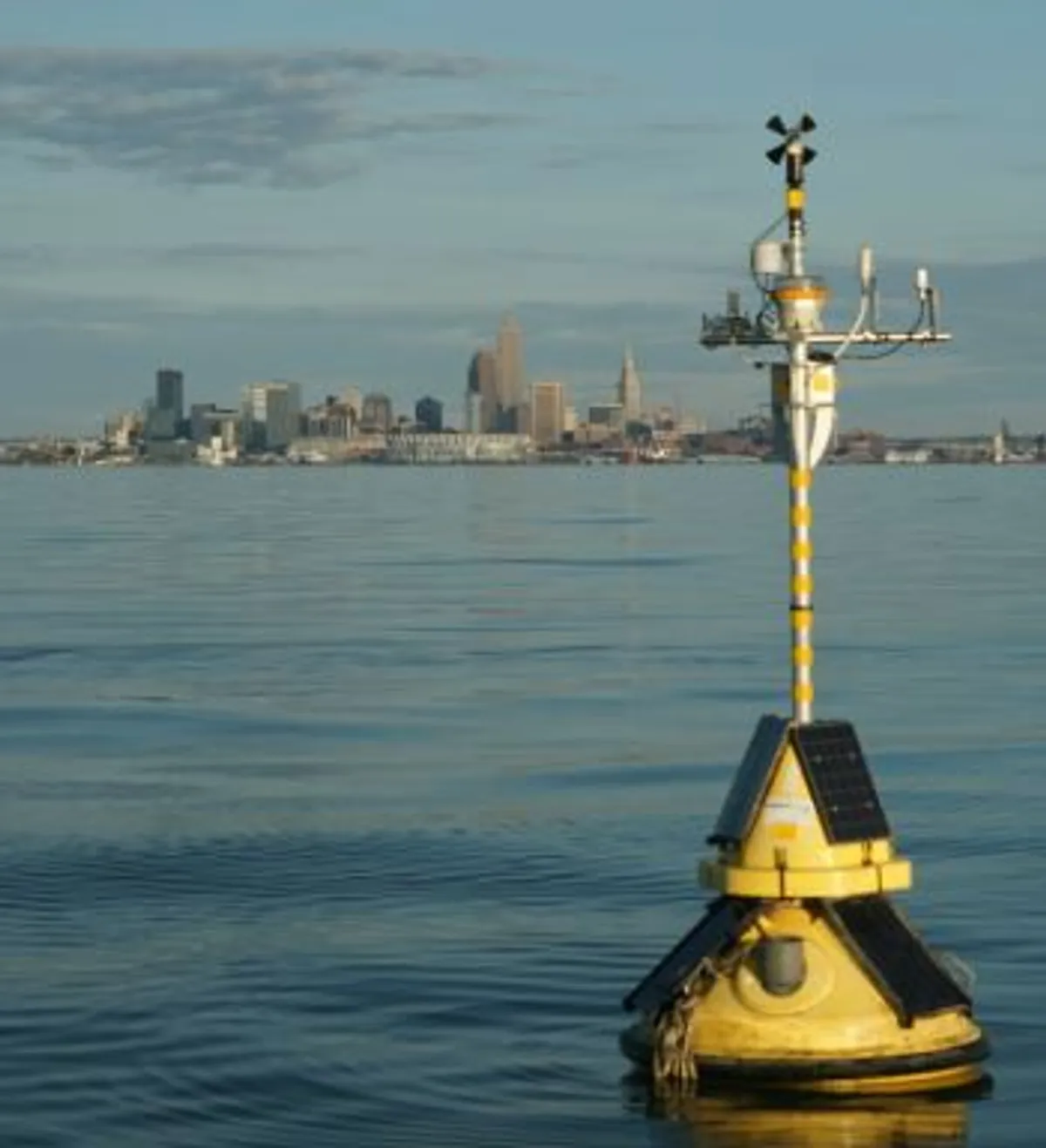
Lake Erie can feel calm one minute and turn choppy the next—especially during seasonal transitions and strong wind events. If you’ve ever checked a “Lake Erie forecast” and still wondered what conditions will really be like at the ramp, on the open lake, or near the islands, you’re not alone. Thanks to a network of smart buoys stationed across Lake Erie, you can get real-time updates on water temperature, air temperature, wind speed, and wave height — just by sending a 5-digit Buoy ID Code to 866-218-9973 the Cleveland Water Alliance.
- Text the 5-digit ID 45202 (the specific Port Clinton buoy code) to 866-218-9973.
- You will instantly receive an automated text message with data including:
- Current wind speed and direction
- Air and water temperature
- Wave height
Text 866-218-9973 and use the following five digit codes to reach the smart buoy of your choice:
• Toledo — 45165
• Port Clinton — 45202
• Erie Islands — 45201, 45005
• Huron — 45203
• Lorain area — 45204
• Cleveland west — 45196, 45176, 45205
• Cleveland east — 45197, 45206
• Cleveland further offshore — 45164
• Painesville — 45207
• Ashtabula — 45208
An interactive map is posted at clevelandwateralliance.org/smart-lake-erie-watershed-initiative.
Why Lake Erie Weather Changes So Fast
Lake Erie is the shallowest of the Great Lakes, which makes it more responsive to wind and temperature shifts. That shallow depth can translate into:
- Faster wave build when winds increase (especially with a long “fetch,” or distance over water).
- Quick temperature swings in spring and fall, impacting comfort and fish behavior.
- Localized conditions—the western basin may be manageable while the central basin is rough.
Common Mistakes People Make When Reading Lake Erie Buoy Data
- Only checking one buoy: Lake Erie conditions vary by basin and shoreline exposure.
- Ignoring gusts: Gusts often determine whether the ride is merely bumpy or genuinely unsafe.
- Focusing on wave height without period: Short-period waves can be brutal even at modest heights.
- Not considering return-trip conditions: A wind shift can make the ride home much worse than the ride out.
If you’re planning a day around the islands, it’s worth pairing your buoy check with destination planning so you’re not scrambling if conditions change. For route ideas and island-by-island tips, revisit Ultimate Guide to the Lake Erie Islands: What to Do, Where to Stay, and How to Get There as you finalize your schedule.
This is why relying on a single snapshot forecast can be risky. The most accurate planning comes from pairing a Lake Erie marine weather forecast with buoy observations that show what’s happening right now on the water.
What to Check First: Your Lake Erie Marine Forecast Baseline
Start with a trusted Lake Erie marine forecast to understand the “big picture” for the next 24–48 hours. A good marine forecast typically includes:
- Wind speed range and gusts
- Wind direction shifts (often the biggest driver of wave changes)
- Wave forecast (heights and periods)
- Visibility and precipitation
- Thunderstorm potential
From there, confirm the forecast with Lake Erie buoys for real-time lake conditions. If the buoy data is already trending worse than forecast, treat that as a red flag—especially for smaller boats.
How to Use Lake Erie Buoy Data Like a Pro
1) Lake Erie Wind Speed (and Gusts)
Lake Erie wind speed is often the main driver of safety and comfort. For many recreational boaters:
- 0–10 knots: typically manageable for most activities (still watch for storms).
- 10–15 knots: small craft can become uncomfortable; waves build quickly.
- 15–20+ knots: conditions can become hazardous—especially in open water.
Always look at gusts. A steady 12 knots with gusts to 20 can create surprise wave sets and make docking or trolling difficult.
2) Lake Erie Wind Direction (Why It Matters More Than You Think)
Lake Erie wind direction determines where waves stack up and which shorelines become rough. A wind blowing along the long axis of the lake creates a longer fetch, which often means larger waves. It also affects:
- Which launch ramps are more protected
- Where nearshore chop forms
- Whether island crossings feel safe or punishing
If you’re planning an island day, it helps to pair wind direction with your route. For trip ideas and logistics (including ferries, stays, and what to do once you arrive), bookmark Ultimate Guide to the Lake Erie Islands: What to Do, Where to Stay, and How to Get There.
3) Lake Erie Wave Height
Lake Erie wave height is one of the fastest “go/no-go” indicators. But height alone doesn’t tell the whole story—wave period matters too. In general:
When reading buoy data, look for sudden increases in wave height that may indicate a front passage or building wind. If your Lake Erie wave forecast says 1–3 ft but the buoy is already reporting 3–5 ft, plan for rougher conditions than expected.
4) Lake Erie Water Temperature
Lake Erie water temperature affects everything from comfort and hypothermia risk to fish behavior. Early season boating can be risky even on sunny days because cold water reduces survival time in a fall-overboard scenario.
For anglers, water temperature helps predict:
- Seasonal fish movement and depth preferences
- When certain bites turn on (or shut down)
- How quickly conditions may change after a warm or cold spell
Buoys give you numbers, but your goal is to translate them into Lake Erie boating conditions and Lake Erie fishing conditions. A practical way to interpret the data:
- Wind rising + direction aligned with open water = waves will build fast.
- Wind shift = wave direction changes, which can make returning to port harder than the ride out.
- Dropping pressure + increasing gusts = storms may be nearby; don’t ignore thunder risk.
What’s “Good” Lake Erie Weather for Fishing?
Lake Erie fishing conditions are often best when the lake is stable enough to fish effectively—yet active enough to trigger feeding. Consider these buoy-driven cues:
- Moderate chop can improve certain bites by reducing light penetration and boat spook.
- Too much wave height makes trolling speed control hard and can limit where you can safely fish.
- Water temperature changes can shift fish location dramatically—especially during spring warmups or fall cool-downs.
A quick tip: if the buoy shows a steady wind direction and consistent wave height, you can often plan a more predictable drift or trolling path. If wind direction is swinging, expect messy wave angles and tougher boat control.
The Best Sources for a Lake Erie Forecast:
1) NOAA Marine Forecast- https://www.noaa.gov/
2) NOAA Lake Erie Buoys- Text a Buoy ID code to 866-218-9973
How to Read Lake Erie Buoy Data Like a Pro
Buoy pages can look technical at first, but you only need a few key fields to make good decisions. Here’s how to interpret the most important parts of Lake Erie buoy data.
Wind Speed and Gusts (The “Chop Builder”)
Lake Erie wind speed is one of the strongest drivers of wave growth. Pay attention to both sustained wind and gusts:
- Sustained wind sets the baseline for wave development.
- Gusts often explain sudden rough patches and handling difficulty.
As a practical rule, if sustained winds are trending upward hour-to-hour, expect Lake Erie wave height to follow—especially over long open-water fetches.
Wind Direction (Where the Rough Water Will Be)
Lake Erie wind direction matters as much as speed. Because Lake Erie runs roughly west-to-east, winds blowing along the long axis can build larger waves than winds blowing across it.
Use wind direction to anticipate where the worst chop will land:
- West winds often stack water and waves toward the east end.
- East winds can make western routes bumpy and affect island crossings.
- North or south winds can create sharp nearshore chop depending on your shoreline exposure.
Wave Height and Wave Period (The Comfort & Safety Combo)
Lake Erie wave height is what most people check first, but wave period is the secret ingredient. A 3-foot wave can feel very different depending on how close together the waves are.
- Short period (waves close together) = steeper, punchier, more uncomfortable in small boats.
- Longer period = more rolling motion, often easier to manage (though still serious).
When you see “wave height building” plus “period dropping,” that’s a big red flag for rougher-than-expected rides.
Water Temperature (Comfort, Fish Patterns, and Safety)
Lake Erie water temperature affects everything from fish location to hypothermia risk. Early and late in the season, cold water can be dangerous even on sunny days. For anglers, temperature shifts can signal where to target:
- Rapid warming nearshore can pull baitfish and predators shallow.
- Stable temps offshore may keep fish suspended or deeper.
- After strong winds, upwelling can bring colder water to the surface in certain areas.
Turning Data Into Decisions: What “Good” Boating Conditions Look Like
A Simple “Trend Check” Before You Leave
- Compare the forecast to buoy observations: Are winds and waves lower, matching, or higher than predicted?
- Look for rising wind: Increasing wind usually means worsening Lake Erie surface conditions.
- Check timing: Many days are calmer early and build by midday—plan crossings accordingly.
Nearshore vs. Open Water: Know Your Exposure
“2–4 feet” can mean very different things depending on where you are. Nearshore areas may be partially protected, while open stretches can be fully exposed to wind and fetch. Use buoy locations and your route to judge whether the buoy is representative of your exact plan.
If your day includes island stops, it helps to pair your forecast with a realistic route plan (launch ramp, fuel stops, docking). This is where the Ultimate Guide to the Lake Erie Islands: What to Do, Where to Stay, and How to Get There becomes more than just travel inspiration—it’s a practical planning tool.
Quick Checklist: What to Check Before You Launch
Use this quick routine to assess real-time lake conditions and avoid surprises:
- NOAA Lake Erie marine forecast for your zone (wind, waves, timing)
- Lake Erie buoys nearest your route (wind, gusts, wave height, and water temperature)
Common Mistakes People Make With Lake Erie Wave Forecasts
Relying on a Single Number
A forecast like “1–3 ft” is a range. It can mean 1 foot in the morning and 3 feet by afternoon, or 1 foot nearshore and 3 feet offshore. Always check the timing and compare it to buoy trends.
Ignoring Wind Shift Timing
A wind shift can rapidly change Lake Erie surface conditions. If the forecast calls for winds “becoming southwest in the afternoon,” expect wave direction and ride quality to change too.
Not Matching Buoy Location to Your Route
Great Lakes weather buoys are incredibly useful, but each buoy represents conditions at its location. If you’re fishing tight to shore or behind islands, a buoy offshore may not match what you’ll feel—until you leave protected water.
Final Thoughts: Make the Lake Erie Marine Forecast Your Pre-Launch Habit
The fastest way to improve safety and enjoyment on Lake Erie is to make the forecast-and-buoy check routine automatic.
And if your perfect day includes island time, keep this handy for trip planning alongside your weather checks: Ultimate Guide to the Lake Erie Islands: What to Do, Where to Stay, and How to Get There.
Check conditions, plan smart, and enjoy Lake Erie at its best.